A new furnace is one of the longest-lived purchases in your home, and the options add up fast. You can choose an 80 percent AFUE unit or a mid-90s condensing model, single-stage, two-stage, or modulating burners, and a standard PSC blower or a variable-speed ECM motor that uses less electricity and evens out temperature swings. Which mix is right depends on your Fall River, MA home, the length of your heating season, and the behavior of your ductwork. That is why Fall River HVAC begins with a load calculation rather than copying whatever the previous installer chose. An oversized furnace short-cycles and overshoots, delivering comfort in bursts while it wears itself out. A properly sized one runs longer, quieter, and at lower cost.
Most of a furnace's lifespan is decided on installation day. Condensing models produce acidic condensate that has to be trapped, sloped, and drained properly, and their PVC intake and exhaust pipes must be sized, pitched, and terminated exactly as the manufacturer specifies. Get those details wrong and you can expect nuisance lockouts, or worse, flue gas where it does not belong. The gas line needs a sediment trap and a leak-tested connection. The ductwork has to deliver the airflow the furnace was designed for, so our experienced technicians take static pressure readings instead of assuming, and correct duct chokepoints while everything is open when the readings call for it. We also handle permits wherever they apply.
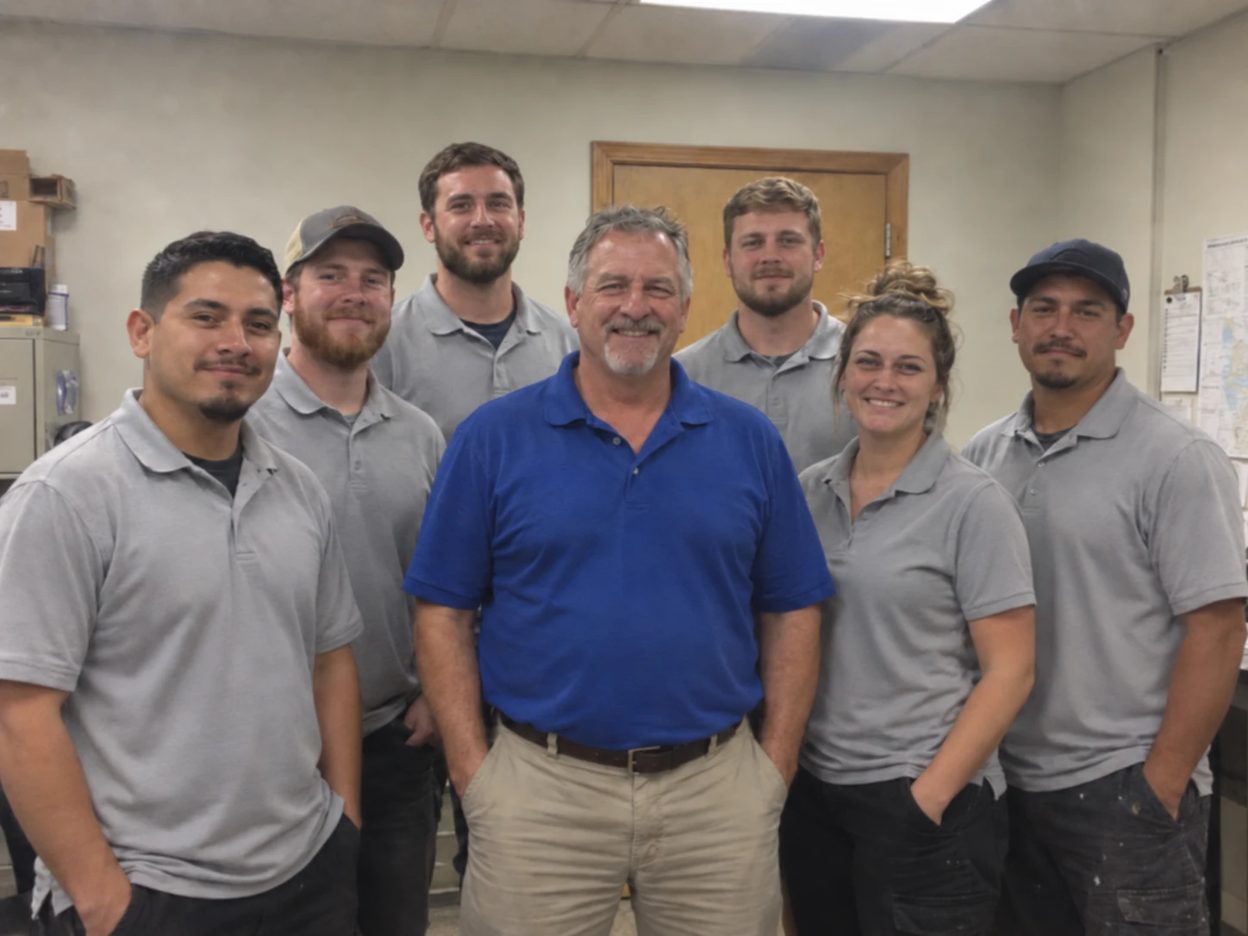
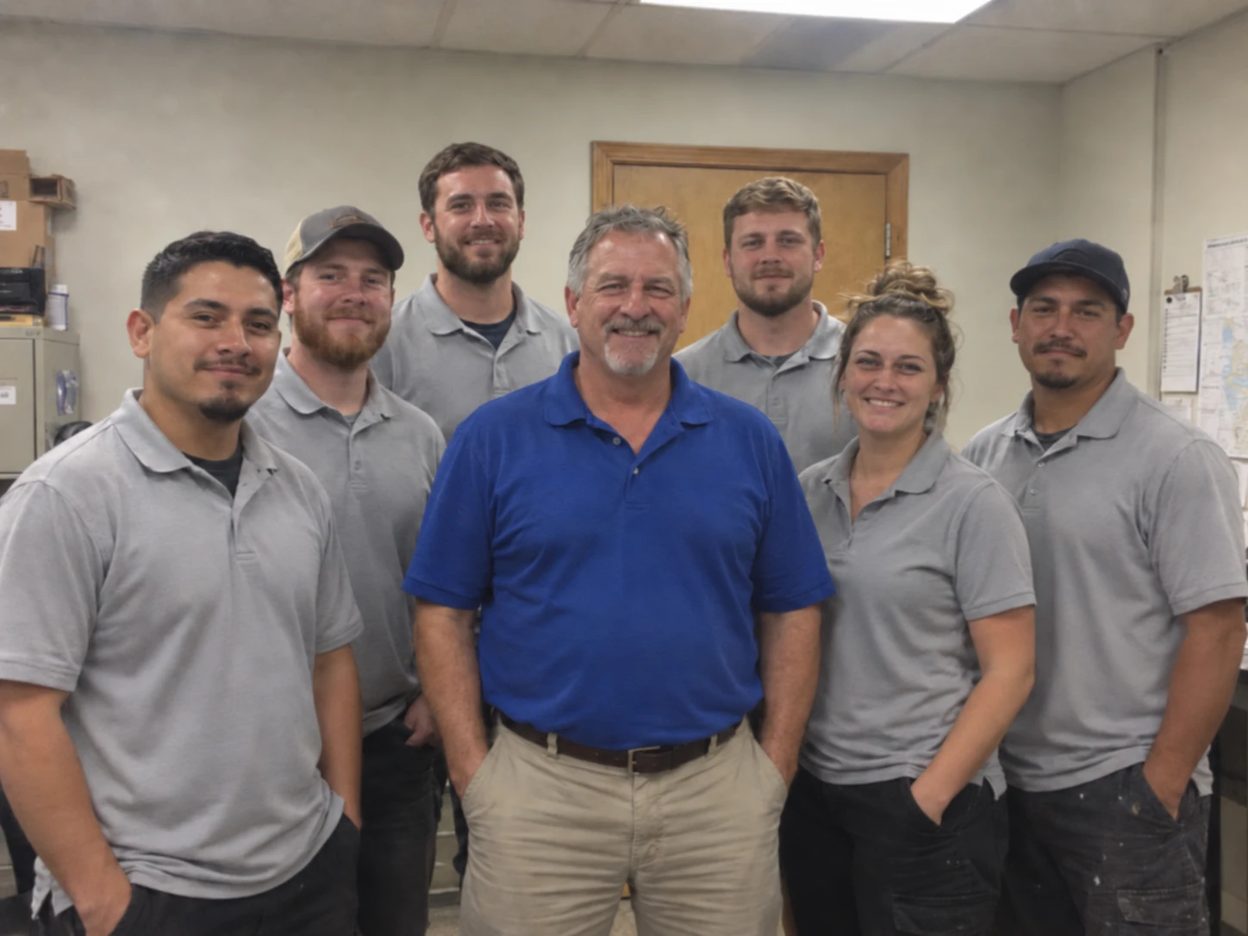
After installation, we commission it. That means combustion analysis to confirm the burners are tuned, gas pressure set to specification, temperature rise measured against the data plate with the blower adjusted to match, venting draft verified, and full cycles run while we watch. It is a step many installations skip, and we never do. Before we leave, you get a walkthrough of the thermostat, the filter, and what to expect in the first season. For a furnace installation in Fall River that will still be quietly working in 2045, call (774) 533-7747 for an assessment and a clear quote.
The repair homeowners call us about most is Furnace Repair in Fall River. That's the place to start if you need a fix today.
Signs You Need Furnace Installation in Fall River
Catching these issues early helps you avoid costly problems and protect your property. Here are the most common indicators that it's time to call a professional:
- Your heat exchanger is cracked, taking repair off the table
- A new air conditioner or heat pump is going in and the old furnace cannot keep up
- Repairs piling up, each one pricier than the last
- Your current furnace is past the fifteen-to-twenty-year mark
- Heating bills climbing while the house never feels quite warm
- A blower so noisy you have to raise your voice when it runs
- Rooms the heat never reaches, wide temperature swings, or constant short cycling
- Recurring booms at startup, soot, or rust despite regular service
Don't Wait for a Total Failure
Left unchecked, even a small fault or temperature swing often signals a system working its way toward a breakdown. If you notice any of these signs, contact Fall River HVAC at (774) 533-7747 for a prompt inspection.
Furnace Installation Issues? We Can Help.
Call Fall River HVAC for fast, reliable service.
Call (774) 533-7747 NowFurnace Installation FAQ
Why Professional Furnace Installation Matters
Furnace installation concentrates the highest-consequence details in residential work. Venting on a condensing furnace must follow the manufacturer's tables for size, length, slope, and termination; get it wrong and the furnace locks out on pressure faults, or worse, flue gases end up where they should not. Gas piping must be sized for the load, trapped for sediment, and leak-tested with instruments. Condensate is mildly acidic and continuous all winter; an unsloped drain line becomes a lockout in January or a slow leak into the framing. None of this is visible in a photo of a finished install, which is exactly why it is where corners get cut.
The other half of the job is sizing and commissioning. Rule-of-thumb sizing almost always produces an oversized furnace, which then spends its life short-cycling and delivering poorer comfort. Our experienced technicians size every system from a load calculation and commission it with instruments. Combustion is analyzed, gas pressure is set, temperature rise is measured with the blower adjusted to keep it in the rated range, and static pressure is checked so the furnace and ducts are not working against each other. Those last measurements are what turn a box of parts into twenty years of quiet heat, and they are standard on every Fall River HVAC installation.
Our Furnace Installation Process
Our systematic workflow delivers thorough, lasting results on every job. Here's a look at each step our Fall River HVAC team takes:
Sizing & Site Assessment
We size the furnace from your home's actual heat loss and inspect the ductwork, gas supply, and venting path, rather than copying the BTU rating of the unit being retired.
Honest Options & Pricing
You see both 80 percent and high-efficiency condensing options side by side, with an honest explanation of staging and ECM blower trade-offs, and a firm installed price with no sales pressure.
Installation to Code
The furnace is set, gas is piped with a sediment trap, venting and condensate drainage are run to the manufacturer's specifications, and the plenums are connected and sealed. We handle permits where they apply.
Testing & Homeowner Walkthrough
Combustion is verified, gas pressure is set, and blower speed is dialed in to the rated temperature rise before we run full cycles. Then we show you the thermostat, filter, and maintenance schedule.
Furnace Installation Prevention Tips
A little routine maintenance goes a long way toward avoiding a mid-season breakdown. Here are our expert recommendations:
- File the install paperwork and model numbers where you can find them for future service calls
- Move chemicals like chlorine, paint, and solvents away from where the furnace draws its air
- On condensing furnaces, check that the condensate drain flows freely before cold weather
- Clear leaves, drifted snow, and nests away from the intake and exhaust pipes
- Schedule annual fall service so combustion stays clean and settings stay in range
- Stick to modest setbacks, because a properly sized furnace runs best at a steady pace
- Change the filter on schedule from the first month; airflow is the new furnace's lifeline
DIY vs. Professional Furnace Installation
A homeowner can swap a filter with ease, but diagnosing capacitors, refrigerant charge, control boards, and error codes calls for the equipment and know-how only a pro brings. Here's a comparison:
| Factor | DIY Attempt | Professional Service |
|---|---|---|
| Sizing | Rule-of-thumb guess at capacity | Load calculated from the home itself |
| Venting | Improvised pipe runs and terminations | Sized, pitched, and terminated per the manual |
| Gas Piping | Connections tightened and hoped | Sediment trap installed, joints leak-tested |
| Condensate Drain | Acidic drips where they land | Proper trap and slope to a drain |
| Airflow | New furnace choked by old ducts | Airflow verified with static readings |
| Commissioning | Turned on once and called finished | Combustion, gas pressure, and rise verified |
Schedule Your Furnace Installation Service
Get your comfort back before a small fault becomes a full breakdown. Fall River HVAC is ready to respond fast.
Call (774) 533-7747 NowFurnace Installation Across the Fall River Area
Wherever you are in the area, the same experienced team handles your furnace installation. Find your community below.